
Material Safety Data
SAFETY:
 The majority of paints, coatings and thinners do not present special hazards in storage or in use provided that good standards of industrial hygiene are maintained. However, it must be remembered that these materials can introduce two potential hazards - health and fire. The following is a guide to the potential hazards and are recommended for safe practices.
HEALTH:
Paints, coatings and thinners are mixtures of various chemicals, some of which are potentially hazardous if their use is not strictly controlled in accordance with good standards of industrial hygiene and safe working practice.
INGESTION:
The ingestion of paint should be avoided. Food and drinks should not be brought into, stored, prepared or consumed in areas where paints are stored, handled or used. In the event that paints, thinners, etc., are accidentally swallowed, do not induce vomiting. Seek immediate medical advice.
INHALATION:
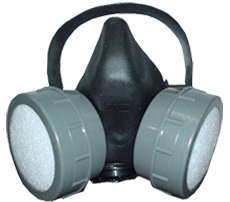 The inhalation of paints, dust or fumes should be avoided by the use of local ventilation or extraction. Where fumes or dust are unavoidable, suitable approved respirators or face masks should be worn. Remember that solvent vapors are heavier than air and will tend to accumulate at the bottom of tanks or in confined spaces. Never enter areas where this could have happened without wearing suitable breathing apparatus. If dizziness, drunkenness or headaches are experienced, these could be caused by solvent vapour. Move immediately into fresh air and do not returns until the areas have been declared safe. Where necessary, gas tests should be carried out in confined areas or areas that are difficult to ventilate effectively. To overcome the fumes caused unexpectedly, carefully move the person to fresh air. Allow recovering gradually and seeking immediate medical assistance. In areas where the ventilation is poor, an air fed mask hood is essential. If any doubt exists, wear an air fed mask hood.
SKIN CONTACT:
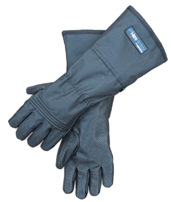 Normally harmless chemicals can cause irritation by repeated or prolonged contact with the skin and in extreme cases; there is a risk of dermatitis. All personnel who handle and use paints should wear appropriate protective clothing (as a minimum: gloves, eye protection and overalls). Splashes of Paint on the skin should be treated promptly by copious washing with clean water, or an approved cleansing agent. (Solvents should not be used for personal cleaning)
EYE PROTECTION:
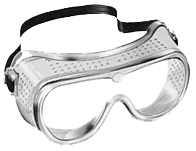 It is recommended that operators should wear suitable eye protectors when there is a risk of paint splashing into their eyes. Splashes of paint into the eyes should be treated promptly by copious washing with fresh water for at least 10 minutes. It is a sensible precaution to seek immediate medical advice.
PERSONAL HYGIENE:
 All personnel involved in the handling and use of paints should be encouraged to observe the highest standards of personal hygiene. Suitable protective clothing should be supplied and maintained and adequate facilities for washing provided. In the event of clothing becoming soiled with paint, it should be changed and the affected area thoroughly washed with soap and water. Personnel should be encouraged to wash especially before eating food.
FIRE AND EXPLOSION RISK:
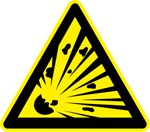 With the exceptions of solvent-free and water-thinned materials, all paints contain organic solvents, which are flammable to a greater or lesser degree. Users of Paint and related products should make themselves aware of their statutory duties with regard to national regulations, and seek advice from Government Agencies, if in doubt. The Main Points to be observed are:
- Storage and usage should be on separated areas, constructed to the appropriate standards of fire resistance. The quantity of materials stored in the actual working areas, constructed to the appropriate standards of fire resistance. The quantity of materials stored in the actual working areas should be as small as is practicable.
- Adequate ventilation and extraction should be provided
- Adequate fire prevention and firefighting equipment should be provided and maintained. Do not attempt to spread.
- Fight fire with dry chemical, foam or carbon dioxide extinguisher.
- All possible sources of ignition should be strictly controlled e.g. electrical equipment, metal to metal sparks. Smoking should be prohibited in areas where paint materials are used, stored or handled.
- In the event of a fire the possibility that poisonous fumes may be emitted. This must always be recognized. If in doubt, use breathing apparatus.
SPILLAGES:
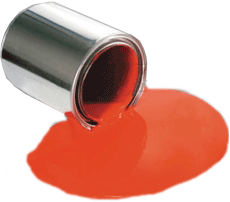 Spillages of paint should be cleaned up as soon as they occur. The use of rags and saw dust should be destroyed and inert absorbent material used. Ventilate the area to remove fumes.


